


Value used to be something you could touch, not too long ago. A vault with gold bars. A barrel of oil. a land deed. You could defend it, stack it, and weigh it. For the majority of the last 20 years, people believed that money as numbers on a screen was the last stage before currency moved into banks and then servers. It’s beginning to seem like it wasn’t the last step at all. The actual change is occurring subtly and is more difficult to visualize because the thing that is now becoming more valuable doesn’t appear to be anything. It’s merely data.
The most peculiar aspect of data’s emergence as the modern economy’s currency is how casually it happened. No central bank statement, no policy announcement. It entered through GPS pings, loyalty cards, and free apps. Every impulsive purchase, late-night browsing, and search results in tiny deposits into a ledger that belongs to someone else. Ten years ago, the World Economic Forum proposed the concept, reiterating Clive Humby’s 2006 statement that “data is the new oil.” Back then, it sounded clever. Now it reads almost subtly.
| Detail | Information |
|---|---|
| Core Concept | Data as an economic asset functioning like currency |
| Early Framing | “Data is the new oil” — Clive Humby, 2006 |
| Modern Shift | Data + AI = tradable economic value |
| Projected Global Datasphere (2025) | 175 Zettabytes (IDC) |
| Top Data-Economy Players | Google, Meta, Amazon, Alibaba, Tencent |
| Exchange Mechanism | Data marketplaces, APIs, licensing |
| Key Enabling Technology | Artificial Intelligence & Machine Learning |
| Sectors Most Affected | Advertising, finance, healthcare, retail, logistics |
| Primary Risk | Privacy, security, data asymmetry |
| Regulatory Touchpoints | GDPR (EU), CCPA (California), OECD privacy guidelines |
| Average User Value (Big Tech) | ~$120–$250 per user per year (varies by region) |
| Most Valuable Data Type | Proprietary behavioral and first-party data |
The refinery is what has changed. By itself, raw data is noise; it is disorganized, repetitive, and largely pointless. It gained weight due to AI. Billions of data points are sorted by machine learning systems to create predictions, patterns, and decisions. One location ping is insignificant. When fed into the appropriate model, ten million of them reveal how a city functions, where people will shop on Tuesday, and which stores should open and close. That is the distinction between an asset and a resource. We seem to be witnessing the same change from oil to gasoline, but this one is much quicker and quieter.
Today’s leading businesses demonstrate the point more effectively than any scholarly article could. The majority of the largest companies in the world produced tangible goods ten years ago, such as automobiles, appliances, and industrial machinery. These days, data platforms make up half of the top ten. Tencent, Alibaba, Amazon, Meta, and Google. They don’t sell goods in the conventional sense. They leverage, rent, or sell what they know. In an interview with Wharton a few years ago, Jane Barratt of MX Technologies stated quite bluntly that the trade is one-sided. Nearly nothing is given to the people who create the data. An app for sharing photos, a free email account, or perhaps a suggestion for a less expensive flight. A behavioral map of your life is sent to the platform.
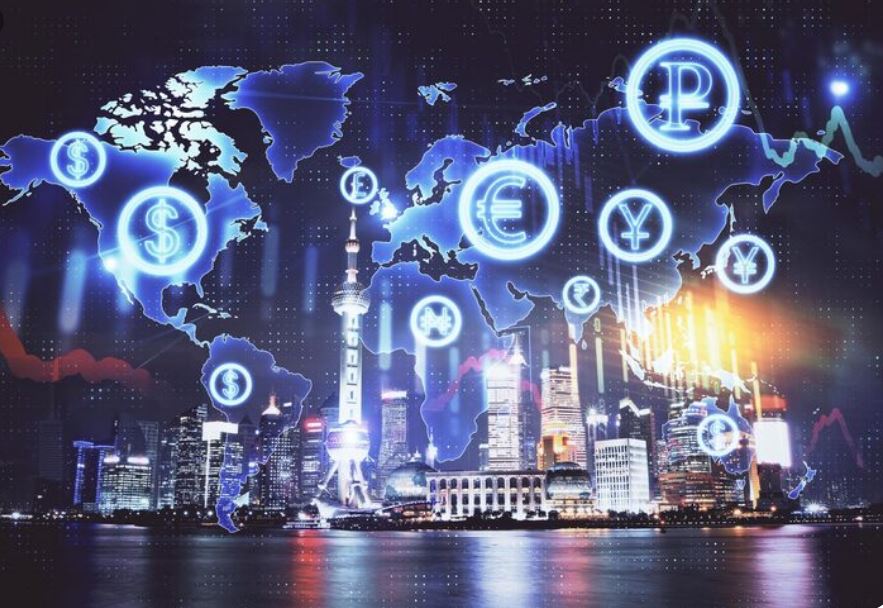
The uncomfortable aspect is that asymmetry. At the very least, traditional currency transactions are meant to be equal. You exchange money for something that is roughly equal in value. The majority of people in the data economy are unaware that the exchange is taking place. The transaction is hidden in an unreadable terms-of-service document. Investors appear to think that this will go on for years, and for the time being, they are probably correct. The GDPR in Europe has some teeth, California’s CCPA is less so, and most of the rest of the world is still debating whether data should be property, speech, or something else entirely. Regulation is catching up unevenly.
What comes next is the more intriguing question. Health records, driving habits, and past purchases are examples of personal data portfolios that may eventually be valued in real time, much like a credit score, and traded for discounts, loan rates, and insurance premiums. Quietly, some of that is already taking place. It’s difficult to ignore the question of whether people will eventually rebel and demand a portion of the value created by their own lives. Or if we’ll just make adjustments, shrug, and keep clicking “accept,” like so many previous economic shifts.
