


Coca-Cola stock has an almost unyielding quality. KO just sits there on the ticker, sipping its own product, rising a little, paying its dividend, and refusing to apologize for being outdated while the rest of the market rushes toward AI chips and lithium mines. It is difficult to ignore how infrequently it is discussed on financial television these days. The cameras have moved on. Coke hasn’t.
It feels purposefully unremarkable to stroll by the company’s Atlanta headquarters on a weekday morning. Delivery trucks waiting at the loading bays, workers wearing lanyards, and a few tourists taking pictures of the sign. Nothing dramatic. You can learn something about the stock’s behavior from its serene exterior. Anyone who owns Nvidia won’t be impressed by KO’s 12% gain over the last year, but it has done so while discreetly outperforming a surprising number of S&P 500 names and paying out cash each quarter.
| The Coca-Cola Company (NYSE: KO) | Key Information |
|---|---|
| Founded | 1886, Atlanta, Georgia |
| Headquarters | One Coca-Cola Plaza, Atlanta |
| CEO | James Quincey |
| Ticker | KO (New York Stock Exchange) |
| Market Capitalisation | Roughly $305 billion |
| Dividend Streak | 63 consecutive years of increases |
| Major Shareholder | Berkshire Hathaway (around 400 million shares) |
| Annual Revenue (2025) | Approximately $47 billion |
| Investor Relations | Quarterly filings and earnings calls available publicly |
| Employees | Around 79,000 globally |
The headline that most long-term investors are interested in is the dividend. Companies display records of 63 consecutive years of increases on coffee mugs in the lobby. Income investors believe that this trend has turned into a kind of unwritten contract; if it is broken, the stock will likely drop 20% overnight. Thus, it is safeguarded by management in the same manner as a family heirloom. At the moment, Coke yields slightly over 3%, which isn’t exciting but feels consistent in a way that few yields do these days.
Pricing power, as analysts refer to it, is what keeps the company running smoothly. During the worst of the post-pandemic inflation, Coca-Cola increased prices, and volume only slightly decreased before rising again. For a well-known red can, consumers will pay an additional fifteen cents. Sometimes, they won’t pay for a rival supermarket brand. That is the entire moat, so it’s not a minor issue.
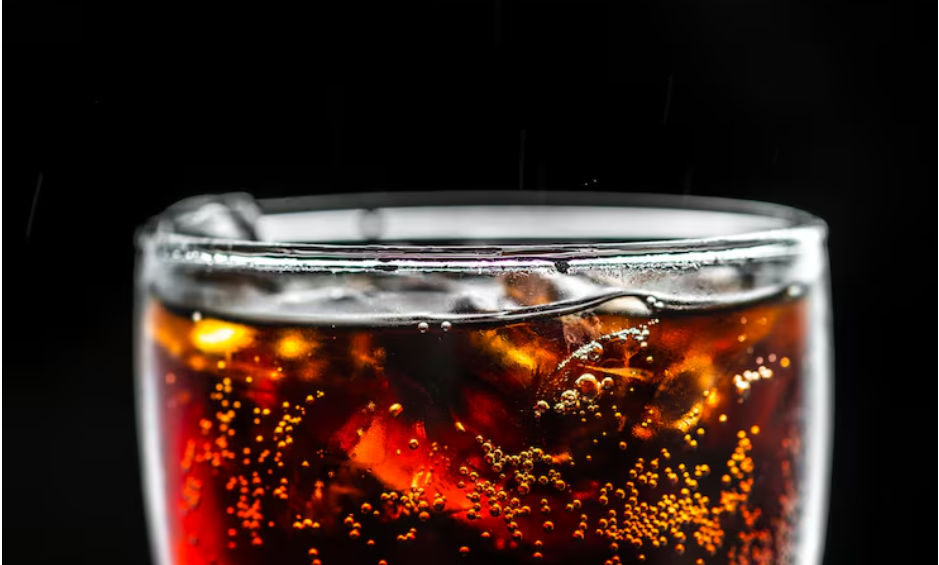
Since the late 1980s, Warren Buffett has held about 400 million shares, and he shows no signs of reducing his holdings. From KO alone, Berkshire receives dividends totaling nearly $800 million annually. Buffett once made a joke about how his annual payout surpasses his initial investment because his cost basis is so low. Coke is still a staple in a lot of retirement portfolios because it’s the kind of narrative value investors like to tell.
Naturally, things are not always easy. Soda consumption is declining among younger consumers. The impact of GLP-1 weight-loss medications on bottling volumes over the next ten years is still unknown. Coke has been making more of an effort to enter the coffee market with Costa, the water market with Smartwater, and the sparkling alternatives market, but it’s really unclear if these will be able to stop the gradual decline of traditional soda. Investors appear to think management will solve the problem. Usually, they have.
As KO navigates the cacophonous 2026 markets, it seems like this is what dull success truly looks like. Podcasts have no founders. No fireworks during the earnings call. Just a 140-year-old business that continues to sell fizzy brown sugar water to about two billion people every day while giving shareholders their money back. For the upcoming generation of investors, that might not be sufficient. However, the tactic continues to be effective for the time being.
