

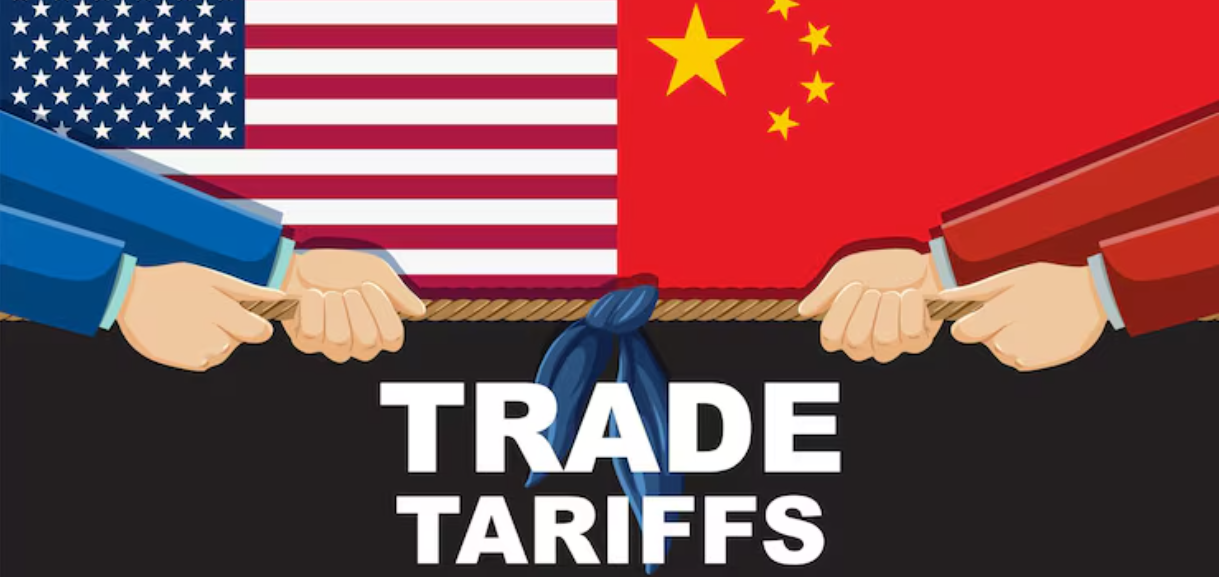

Even those who have watched these summits for years acknowledged afterward that it felt different when the handshake took place in Busan on a gloomy morning at the end of October. President Trump and Xi Jinping had met before, traded barbs through intermediaries, slapped tariffs on each other’s economies, and walked away from negotiating tables more than once. Something held this time. It remains to be seen how long it lasts.
There are only a few key components to the deal itself. China agreed to suspend the sweeping rare earth export controls it announced on October 9, the ones that sent procurement officers at American chipmakers and defense contractors into a quiet panic. Gallium, germanium, antimony, and graphite will now be covered by general licenses. Beijing also committed to choking off the precursor chemicals fueling the fentanyl crisis, suspending retaliatory tariffs on American farm goods stretching from soybeans to pork to dairy, and buying at least 12 million metric tons of U.S. soybeans before the year is out. Then, until 2028, an additional 25 million tons annually.
In return, Washington shaved ten percentage points off the fentanyl-linked tariffs starting November 10, extended a series of Section 301 exclusions, and paused for a full year the so-called 50% Affiliates Rule that had U.S. tech companies bracing for a compliance nightmare. The shipbuilding probe against China, which was connected to Beijing’s hegemony in maritime logistics, was also halted. Negotiations continue, but the punitive measures don’t fire for now.
It’s the kind of agreement that looks tidy on a fact sheet and considerably messier in practice. There’s a sense among trade lawyers in Washington that what was actually signed and what was merely promised are still being sorted out. The White House released a summary, not a treaty, and seasoned China hands have been here before. In 2020, Phase One was also hailed as a breakthrough, but within eighteen months, the purchase commitments disintegrated.
Still, you can feel the relief in certain corners. Soybean farmers in Iowa and Nebraska have spent the better part of two years watching their biggest customer drift toward Brazil. South American suppliers filled the gap quickly and competently, and there’s no guarantee American farmers get all that market share back. But 25 million tons a year is not nothing. At a grain elevator outside Davenport last week, one operator told a local reporter he’d believe it when the rail cars started rolling. That sentiment travels.
The rare earths piece may matter more in the long run. China processes the overwhelming majority of the world’s critical minerals, and the October 9 announcement had effectively turned a chokehold into a threat. Lifting it, even temporarily, lets U.S. manufacturers breathe. Defense contractors, EV makers, semiconductor fabs in Arizona and Texas, they all rely on supply chains that wind through Chinese refineries whether anyone likes it or not. Diversification efforts in Australia, Vietnam, and the U.S. itself are real, but they’re years away from mattering at scale.
What’s striking is how transactional the whole thing feels, and how that may actually be its strength. Trump has always treated trade as a series of bilateral deals rather than a grand architecture, and Xi seems to have decided this time that the costs of escalation outweighed the propaganda value of holding firm. China’s economy is wobbling. Property is problematic, youth unemployment is high, and exports require a release valve. America desired stable supply chains and fed farms. Everybody gained something.
What transpires between November and the following year will determine whether this becomes a foundation or a footnote. The suspensions come to an end. Instead of being closed, the investigations are on hold. Pallets passing through a port and words on a fact sheet are two different things, even though the Nexperia chip facilities are expected to resume regular shipping.
For the time being, the tariffs are lowered slightly, soybeans begin to move, and the flow of fentanyl precursors is expected to cease. There is a ceasefire. It’s difficult not to wonder how long these things actually last as you watch this play out.
