


Marv, a retired electrical engineer, has been maintaining a spreadsheet for nearly three years somewhere in a dead end that most outsiders couldn’t find on a map. It keeps track of battery cycles, kilowatt-hours, the dates his neighbors deposited money into a joint account, and the sporadic squirrel-related mishap on the line behind the community center. Since the spring before last year, the twenty-two homes in his block have not sent a check to the regional utility. They now produce their own electricity. They share and store it, and they hardly notice when the main grid falters, as it does more and more.
In the past, this kind of thing was considered curious. A backup plan for a Sonoma boutique winery or a side project for off-grid enthusiasts in the desert. It is no longer the case. Neighborhoods are discreetly putting together what engineers refer to as microgrids—or sometimes energy islands, depending on who is writing the grant proposal—across the United States, portions of Europe, and an expanding region of South and Southeast Asia. The fundamental concept is almost embarrassingly straightforward. Wherever you use electricity, generate it. Keep things you don’t need. When it’s convenient, connect to the larger grid; otherwise, leave.
People’s justifications for doing this differ, which contributes to the movement’s difficulty in being classified. Some are motivated by climate change. Libertarians make up others. Surprisingly, many people, particularly in storm-prone areas, just grew weary of losing their freezer’s contents every February. Many participants feel that they are simply choosing to end a relationship that no longer makes sense, rather than rebelling against anything specific.
In actuality, the technology is not particularly new. For more than ten years, solar panels have been inexpensive, and the cost of lithium storage has decreased to the point where small-scale installations are feasible. The social architecture has altered. Legal agreements are being signed by neighbors. Utility subcommittees are being established by homeowners’ associations. If you are familiar with American local politics, you will find it truly amazing that a friend of mine who covers municipal politics in the Mountain West told me he has witnessed town councils argue more fervently about microgrid governance than about zoning.
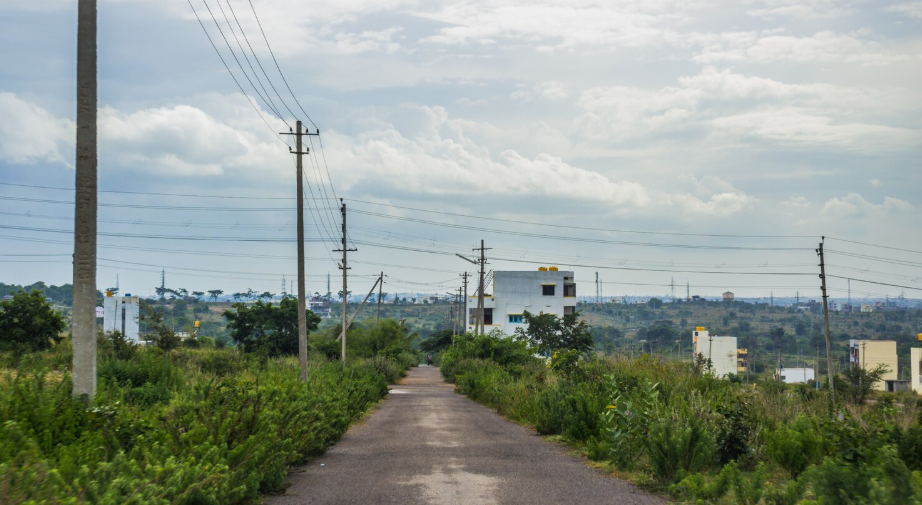
Utilities might have anticipated this and chosen not to respond. They probably thought it would remain marginal. That presumption is deteriorating. The distribution network’s overall math changes when a hundred homes on a single feeder line stop using electricity. Similar to a record label launching its own streaming service after Spotify has already won, some utilities have begun to offer their own community solar programs.
Of course, there are issues. Many of them. Since many of the families who would most benefit from energy independence are also the ones who are unable to front the capital, the upfront cost is high—that’s the polite version. As is often the case, regulation lags behind. A thousand small grids present a thousand small attack surfaces, as cybersecurity experts will urgently inform you. The human factor comes next. Battery replacement schedules are now expected to be agreed upon by neighbors who cannot agree on a fence height. Someone attempted to keep it informal, which almost ruined a friendship, which is why Marv’s spreadsheet exists.
Even so, it’s difficult to ignore how the language has changed as this develops. In the same way that they used to discuss their well water, people now discuss their power. Something they own, care for, and sometimes curse. I was told by a neighbor in upstate New York that his microgrid was “like a barn raising, except the barn makes electricity.” That’s probably the best definition there is.
It’s really unclear if this will remain a niche or become the norm. The utilities won’t go away because dense cities and heavy industry continue to benefit from long-distance transmission. However, the cord is already fraying for the small towns, rural co-ops, and cul-de-sacs that never quite trusted the company on the bill. The grid is quietly becoming plural, house by house.
