


The headlines weren’t the first indication that something had changed. The pump was where it was. A quieter forecourt here, a few pennies off there—the kind of dip Americans hardly ever associate with anything outside of the season. However, a Chevron station outside of Houston had lowered its regular grade below three dollars by the second week of January. When questioned, the manager simply shrugged and said the wholesalers had eased up. Caracas was not mentioned by him. He was not required to.
The current agreement between Washington and a post-Maduro Venezuela feels like it was made on the spot. Two billion dollars, a captured president, up to fifty million barrels, and a White House that promised prices closer to fifty per barrel. On paper, it seems like a clean transaction. Seldom is it. As you watch this play out, you get the impression that the way “deal” is framed hides what actually took place. Caracas was approached by armored vehicles. In the truest sense of the word, a leader was kidnapped. Only then did the topic of contract refinement come up.
| Key Information | Details |
|---|---|
| Topic | Venezuela–U.S. oil arrangement following Maduro’s capture |
| Date of U.S. military operation | January 3, 2026 |
| Reported deal value | Up to $2 billion in crude exports |
| Barrel volume promised | 30 to 50 million barrels |
| Venezuela’s proven reserves | 303 billion barrels (≈17% of global total) |
| Current Venezuelan production | Roughly 934,000 barrels per day |
| Production peak (late 1990s) | About 3.5 million barrels per day |
| Brent crude after operation | Slipped to about $60 per barrel |
| Estimated infrastructure repair cost | Around $110 billion |
| Trump’s stated price target | $50 per barrel (down from $61) |
| State oil company | PDVSA (Petróleos de Venezuela) |
| Sanctions baseline | Oil embargo imposed in 2019 |
| U.S. daily production (comparison) | Nearly 14 million barrels per day |
The reaction from markets has been embarrassingly muted. Brent stole a few bucks. WTI came next. Despite having more proven reserves than Saudi Arabia, traders who had anticipated a spike instead saw the curve flatten, which illustrates how diminished Venezuela has become as a producer. The nation used to manage 3.5 million barrels per day, but today it pumps less than 1% of the world’s supply. PDVSA is hollow as a result of years of sanctions, expropriations, and a brain drain that started when Chávez fired twenty thousand oil workers. According to some reports, roving gangs stole copper wiring from the rigs.
Therefore, whether Venezuelan crude can fill American gas tanks is not really a question. It can’t, not anytime soon. Erik Katovich of UConn estimated that the rebuild would cost about $110 billion, and even then, production might drop to two or three million barrels per day over a ten-year period, assuming businesses are prepared to wager on a nation where assets have previously been seized. After being burned once, ExxonMobil has been surreptitiously drilling in Guyana. That’s a story in and of itself.
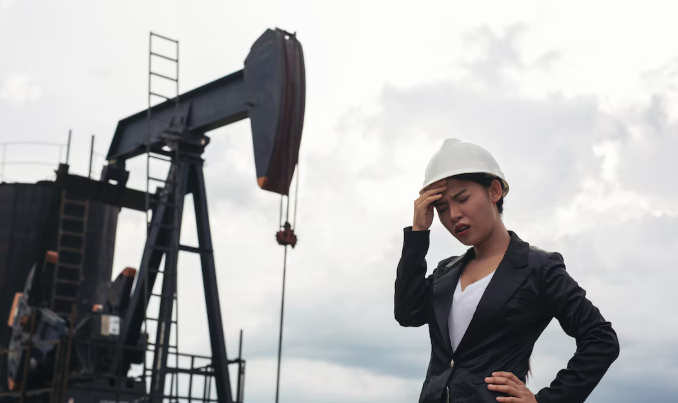
The perception of supply, the symbolic return of a sanctioned producer to the legal market, and the political theater of a president displaying a barrel count like a trophy are all contributing factors to the modest price reductions. Even when engineers don’t believe the supply story, investors appear to. That might be sufficient to maintain low prices throughout the spring.
However, the issues of foreign policy are more difficult to resolve. Trump has alluded to a “second, bigger wave.” Petro in Colombia is under threat. According to the president, Cuba appears “ready to fall.” Here, a half-articulated doctrine is emerging whereby oil-rich neighbors are considered candidates for what officials refer to as stabilization and what historians may eventually refer to as something different.
The ease with which the language of energy security blends into the language of intervention is difficult to ignore. There are actually a few pennies at the pump. A precedent is the same. No one in Washington seems eager to address the question of whether Americans are weighing one against the other as they fill their tanks this winter.
