


In the midst of the pandemic in 2021, there was a time when a pair of Nike Dunks felt more like a futures contract than shoes. People were genuinely treating limited-edition sneakers the way a certain type of person treats small-cap stocks, refreshing drop pages at midnight, and paying $700 resale for shoes that retailed at $110. Even then, it seemed ridiculous. For a while, it also seemed totally sustainable.
Over the past two years, a sneaker arbitrage crash has been quietly developing, but it is now too obvious to ignore. On secondary platforms like StockX and GOAT, shoes that used to fetch 200% premiums are either sitting unsold or selling for just a little bit more than retail. For a shoe that originally cost $180, a lost-and-found Jordan 1 that peaked at $500 to $600 on the aftermarket can now be found for between $280 and $300, depending on size. It’s not a correction. It’s a deflation.
The platforms designed to capitalize on that disparity are feeling it keenly. For years, StockX and GOAT positioned themselves as the financial backbone of sneaker culture, complete with price charts, authentication services, and a subtle hint that purchasing shoes was a respectable investment strategy. Smaller resale businesses have already been squeezed out because they lack the capital to withstand a protracted downturn. The larger companies are rushing to change, adding categories like Crocs and Birkenstocks to their homepages. Depending on your point of view, this is either a clever diversification strategy or a subtle acknowledgement that the sneaker era on which they were founded is fading.
Why did this happen? These collapses typically occur when multiple things happen at once. In 2020 and 2021, supply chain disruptions created an artificial shortage of sought-after shoes, driving resale prices to truly unreasonable heights. Brands flooded the market as those chains became more common. Nike released colorway after colorway of previously limited silhouettes in an attempt to regain lost ground. Suddenly, there were five or six variations of a popular Dunk instead of just one. The whole resale value engine, scarcity, vanished. The margins vanished along with it.
Additionally, there is a generational shift taking place that is difficult to measure but unavoidable. Instead of giving up on shoes, Gen Z has shifted their focus. Asics Gel-Kayanos, Hoka’s foam-stacked silhouettes, and Salomon trail runners are the shoes that are popular in the areas where Jordans used to be the most popular. Hoka’s trade volume on StockX increased by over 3,600 percent in just the first half of 2022. This indicates where interest is shifting as well as how quickly a new wave can overtake an old one. Searches for Birkenstock Boston on the same platform increased by more than 700 percent from the previous year. The hype machine is still running. It simply points in a different direction.
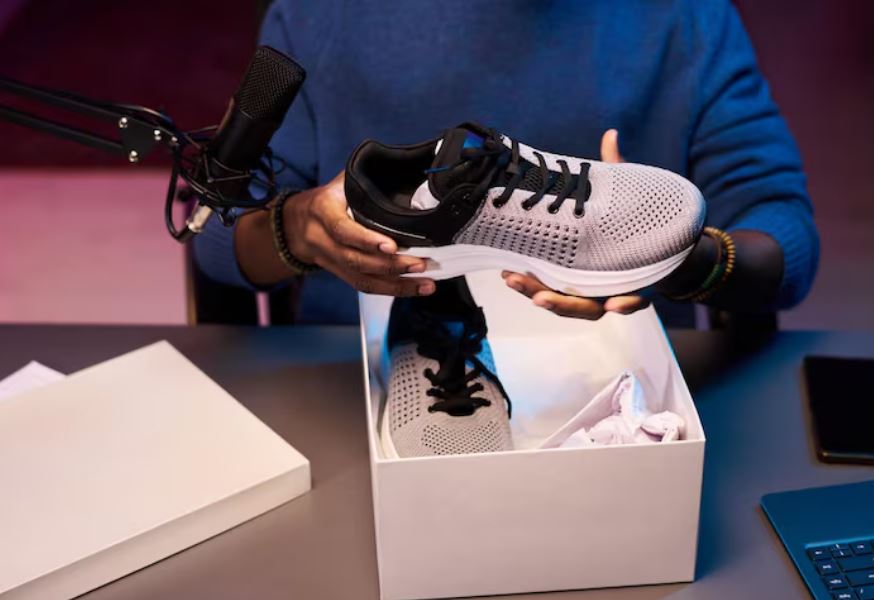
This puts Nike in a really challenging situation. For many years, the brand profited greatly from the resale premium in terms of cultural cachet rather than actual revenue. A shoe flipping for triple retail indicated that the brand was in high demand. Nike’s recent market difficulties indicate something more serious than a soft quarter, and that signal is now weaker. The company that essentially created the scarcity of modern sneakers is now facing the consequences of that scarcity ceasing to function as a lever.
Perhaps some of this will be saved by the cyclical nature of fashion. Tastes do shift back, markets do correct, and collectors who are completely unrelated to the arbitrage angle still have strong feelings about the shoes. However, it might be necessary to reconsider the secondary luxury resale platforms, which were founded on the notion that sneaker values would always increase. Customers’ perception of limited shoes as valuable stores was essential to the business model. Once lost, that belief is difficult to rebuild. There’s more than just unsold inventory on those virtual shelves these days. It’s proof that a wager went bad.
