


The thought of cargo ships passing through a conflict area on a schedule seems almost unreal. cameras installed on the hulls. In Istanbul, inspectors are waiting. A broadcast feed intended to demonstrate to viewers that this is simply grain, not soldiers or weapons. That was the Black Sea Corridor in operation, and it most likely held for a while.
One of the lesser-known disasters that occurred when Russian forces invaded Ukraine in February 2022 was what happened to the ports. Suddenly, ships that had arrived to load wheat, corn, and sunflower oil were stranded in Chornomorsk, Odesa, and Pivdenny, while commodity traders around the world watched prices rise on distant screens. Grain weighing tens of millions of tons waited. Insurance companies withdrew. The lanes darkened.
After months of awkward diplomacy between the UN and Turkey, an operational arrangement that seldom makes headlines but is crucial was reached. Ending the war was not the goal of the agreement. It had nothing to do with having faith in Russia. It was a narrowly designed system that included ongoing vessel tracking, inspections in Istanbul, and a joint coordination center that managed risk in real time. And for a sufficient amount of time, it was effective. Before Moscow left the table in July of last year, more than 30 million metric tons passed through those corridors.
It’s difficult to ignore how much of the world’s stability now depends on agreements like these, which are subtle, technical, and nearly undetectable to the majority of people but carry a great deal of weight. Shortly after Russia pulled out of the grain deal, Ukraine announced a new unilateral humanitarian corridor, and the reaction from shipping and insurance sources was instructive. They had not been consulted. Viability concerns were raised right away. Banks and insurers would have to agree, and they might just say the risks weren’t acceptable, according to one insurance source. On paper, the corridor was real. It was another matter entirely whether ships would actually sail.
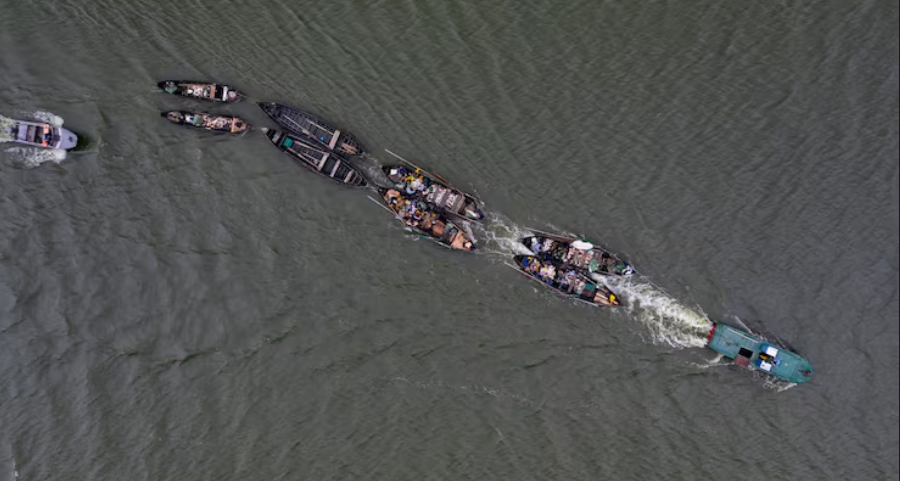
The Strait of Hormuz is currently being compared in UN planning documents and policy circles. With a mixture of hope and desperation, European officials have been examining the Black Sea model to see if a comparable diplomatic framework could endure in a far riskier region. In keeping with the original reasoning behind the grain initiative, the UN has even proposed resuming fertilizer shipments as a way to boost confidence. However, there are significant structural differences in the Hormuz situation. It is more militarized, more limited, and the disruption there is deliberate leverage rather than accidental. Along with substantial volumes of liquefied natural gas, about one-fifth of the world’s oil passes through that route. When that flow narrows, the consequences spread swiftly: oil prices surpass $100 per barrel, and a more subdued but potentially more significant issue with fertilizer exports—more than a quarter of the world’s traded supply is currently in jeopardy, with repercussions that could manifest in harvests in South Asia and Africa in the coming months.
Grain and fertilizer had a certain moral significance, which contributed to the Black Sea deal’s success. No government wanted to bear the full reputational costs of blocking food shipments. In Hormuz, access is leverage rather than shared burden, so that calculus isn’t exactly applicable. Nevertheless, there is a precedent. When the disruption became too expensive, adversaries agreed to limited cooperation. That is not insignificant. It’s still unclear if it will serve as a sufficient model for the next crisis, and the answer may depend more on how long international markets can tolerate the uncertainty before something goes wrong than on diplomacy.
