


When something significant is developing, there’s a certain silence that descends upon the oil markets. Not quite panic. It’s more akin to the quiet before a storm, with traders keeping an eye on the news, pricing screens flickering, and a phone call from Paris that the energy industry has been half-expecting for weeks. In order to calm a market shaken by the closure of the Strait of Hormuz, the IEA confirmed on Wednesday what some had been speculating about for days: 400 million barrels of emergency crude, or a third of its members’ combined stockpiles, will be released.
The release is the largest in the agency’s history. Additionally, this is the fifth time it has ever pulled this lever since it was established in 1974, during the damaged aftermath of the Arab oil embargo. that history is important. The IEA was designed for times when the world truly worries about the next tanker arriving, not to push prices on a Tuesday morning.
| Profile | Details |
|---|---|
| Organization | International Energy Agency (IEA) |
| Founded | November 1974, in the wake of the first oil shock |
| Headquarters | Paris, France |
| Member Countries | 32, holding a combined stockpile of roughly 1.2 billion barrels |
| Current Action | Coordinated release of 400 million barrels — the largest in its history |
| Trigger Event | Closure of the Strait of Hormuz following the US–Israel conflict with Iran |
| Previous Releases | 1991 (Desert Storm), 2005 (Katrina), 2011 (Libya), 2022 (Ukraine) |
| Notable Member Contribution | UK releasing 13.5 million barrels from private stockpiles |
| Outside the Tent | China, India, and most of the Global South |
However, if you speak with anyone who closely watches the crude tape, you’ll notice a hint of uncertainty. On paper, the release seems massive, but the Strait of Hormuz manages about 20 million barrels of flows every day. About 2.5 million people attended the biggest single-day IEA release ever. To be honest, the math is cruel. The choke point is the choke point, and you can only release what the pipelines can carry, according to Neil Shearing of Capital Economics.
It seems as though the announcement has already been partially priced in, whether one is strolling through London’s trading floors or listening to chatter from Singapore. After a brief decline into the low $80s, Brent has been fighting back toward $90, and the chart presents a somewhat obstinate picture. There is a crack in the short-term bearish trend line. The $90 mark resembles a hinge. The equity markets, the euro, and the price of filling up a tank in Frankfurt or Birmingham all become uncomfortable when it rises above $95 and then $100.
Today’s supply gap isn’t what worries strategists the most. It’s the uncomfortable reality that strategic reserves are a buffer rather than a tap. Eventually, drained barrels must be refilled, which creates a demand event of its own. A protracted closure of Hormuz might result in depleted reserves and a market that must compete to replenish them. In that case, the remedy begins to resemble the illness.
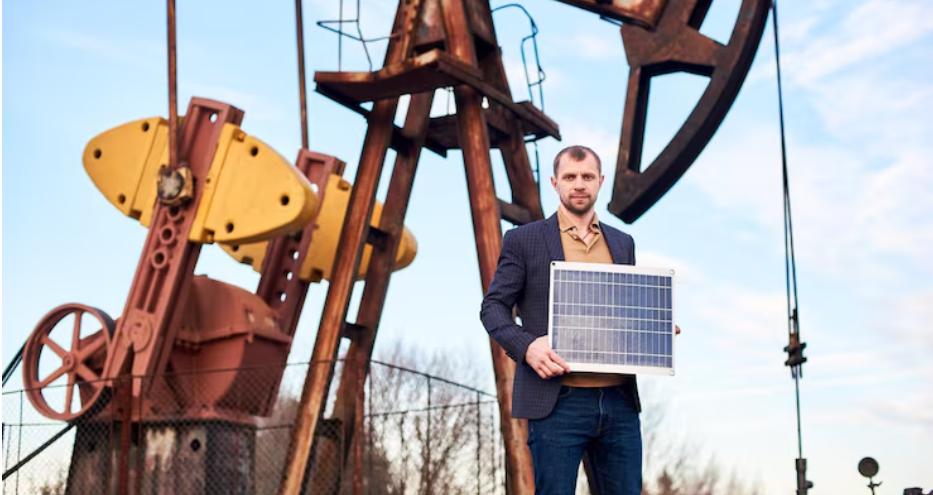
As this plays out, it’s difficult to avoid thinking about the 1970s—not as melodrama, but as a reminder that oil shocks tend to outlive the circumstances that set them off. OPEC is the comparison here, not Tesla. Although the world’s sources are more varied and less reliant on fossil fuels than they were in 1973, the Hormuz bottleneck is still stubbornly unique. This week, no solar panel will alter that.
For their part, markets are doing what markets do, which includes assessing headlines, hedging on both sides, and speculating about what Washington and Tehran will do next. The upside may be limited for a few sessions by the IEA’s intervention. If the shock and awe hits, it might even push Brent toward $80. However, below $80 is $70, and above $100 is something that no one truly wants to publicly model. As of right now, the risks are increasing, and the only real assessment of this market is that no one is certain what the headline will say tomorrow.
