


A cargo ship that was meant to be in Rotterdam by now is still circling the Cape of Good Hope somewhere off the coast of southern Africa, consuming almost equal amounts of fuel and time. The crew has remained at sea for two weeks longer than planned. Instead of being stored on a German warehouse shelf, the cargo, which includes consumer products, auto parts, and electronics, is placed in steel boxes on a moving deck. No one becomes alarmed. This is becoming commonplace. However, “normal” does not equate to “cheap,” and the consequences of this new normal are being subtly dispersed throughout the whole global economy in the form of increased costs, longer wait times, and supply chains that no longer function as the spreadsheets predict.
For various reasons, two of the most important maritime shortcuts in the world are crumbling simultaneously, and the cumulative impact is quantifiable in billions. El Niño-driven droughts have regularly put a strain on Gatun Lake’s freshwater supply, which powers the Panama Canal, which handles around 5% of all international maritime trade. The Panama Canal Authority places draft limits on the enormous Neopanamax locks as lake levels drop, requiring the biggest ships to discard thousands of cargo before they can pass. The ships pass through with less weight.
Everything else becomes more burdensome, including the timetable, the price, and the logistical chain that is waiting on the other end. Due to competition for the few daily transit slots, average auction prices have increased to about $400,000 per slot; during the worst drought periods, some priority bookings have sold for as much as $4 million. That isn’t a tax or a tariff. It is a drought surcharge that is subtly transferred across the supply chain until it appears on a customer’s receipt.
Although the Suez Canal situation has a distinct cause, its effects are comparable. The Suez route, which passes between the Red Sea and the Bab el-Mandeb strait and typically carries 10 to 12% of the world’s trade and around 30% of all container traffic, has been essentially closed to several ships due to the rising regional military confrontation.
Shipping firms have been forced to reroute around the Cape of Good Hope due to the threat of attack; this detour lengthens a voyage from Asia to Europe by ten to sixteen days. These additional days result in increased fuel consumption, personnel expenses, insurance premiums, and emergency surcharges added to freight rates. Ships are now using up capacity that was previously used to transport cargo. The system as a whole is gradually being depleted, with efficiency declining weekly.
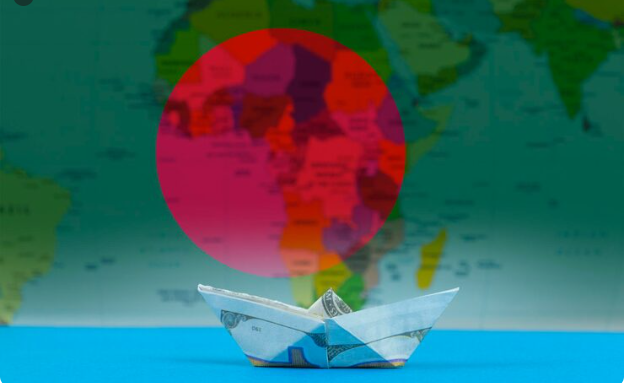
From the logistics industry’s point of view, it seems as though the world’s supply chains were constructed on a set of geographical presumptions that are no longer valid. The efficiency model, which includes global sourcing, lean inventories, and just-in-time manufacturing, was created with the assumption that the physical infrastructure supporting international trade was solid. Canals would be useful. Sea passages would be secure. The shortcuts would be accessible at all times. The system was not designed to handle the simultaneous pressure on each of those presumptions.
How manufacturers and shipping firms will adapt to this reality in the upcoming years is still unknown. At regional centers, some are already accumulating merchandise. Some are discreetly expanding their supplier base in closer proximity to their final markets. These modifications are not free. Fundamentally, the canal bottleneck is a lesson about the cost of efficiency, namely the expense of only realizing how much you paid for something after it begins to malfunction.
