


When you enter a midsize American suburban veterinary clinic with a hand-painted sign, a waiting area decorated with artwork of dogs and cats, and a reception desk manned by someone who genuinely knows your pet’s name, there’s a one in three chance that the veterinarian you’re going to see no longer owns the clinic. The procedure could appear the same. The veterinarian who evaluated your dog the previous year can be the same one. However, there is a corporate holding company, a private equity fund, and a set of financial goals somewhere along the ownership chain that weren’t there when the veterinarian opted to start their own business after graduating from veterinary school.
Currently, between 30 and 50 percent of veterinary clinics in the US are owned by private equity corporations. They achieved this covertly over a period of around ten years by investing more than $51 billion in purchases that the majority of pet owners were unaware of until their yearly exam bill began to rise above $300 and continued to do so.
The tactic, known as a roll-up, is not exclusive to veterinary care; private equity has used it in urgent care centers, pediatric dentistry, dermatology, and other fragmented healthcare markets where independent practitioners can be brought together into a corporate network that has pricing power that no single clinic could obtain on its own.
The purchasers in the veterinary field have included KKR and TSG Consumer Partners, which operate under branded names like Thrive Pet Healthcare, National Veterinary Associates, and PetVet Care Centers, as well as JAB Holding Company, a Luxembourg-based investment firm that oversees the Reimann family’s assets, among others. The network grows with each acquisition. Instead of using a consultation room, each clinic that is added to the network is then guided toward financial benchmarks that were established in a spreadsheet.
The branding doesn’t give the same story as the price statistics. According to a report by the American Economic Liberties Project, the cost of veterinary services has increased by almost 60% since 2014. In certain local markets, where consolidation has decreased competition to a few corporate-owned clinics, routine rates have increased by up to 100%. The Federal Trade Commission has taken enforcement action; in 2022, after determining that some acquisitions would significantly diminish competition and probably result in price increases, it twice ordered JAB to divest clinics in concentrated regional markets. These enforcement measures changed the boundaries of the consolidation rather than stopping it.
In August 2024 and November 2024, Senators Elizabeth Warren and Richard Blumenthal wrote to JAB and Mars Petcare, respectively, requesting openness regarding financial agreements, price choices, and working conditions for veterinarians. According to studies referenced in those letters, 87% of US veterinarians experience moderate to high levels of burnout, and practitioners in corporately owned offices are subject to revenue quotas and pay that is based on how many patients they can bill.
Understanding the vertical integration component is important because it clarifies why the consolidation is more difficult to unwind than it may seem at first. In addition to purchasing clinics, major PE firms have also purchased diagnostic labs, pet insurance companies, and associated platforms, creating pet health supply chains in the same manner that Amazon created retail supply chains.
The senators were particularly concerned about Mars Petcare’s acquisition of veterinary diagnostic labs since independent clinics who use those lab services would now be buying from a competitor-owned supplier, creating pricing leverage that goes well beyond the clinic door. The customer is at the end of an invisible chain.
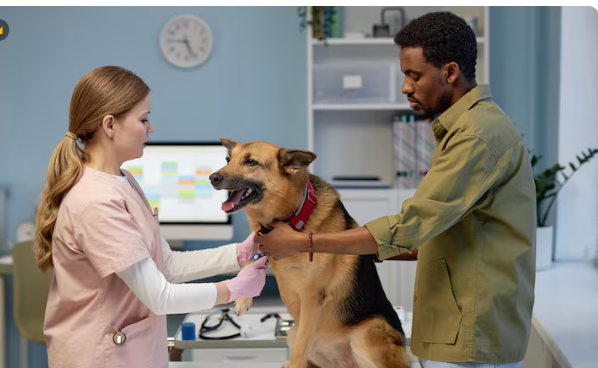
It’s difficult to ignore how the private equity takeover of veterinary care has taken advantage of a specific aspect of the pet-owner relationship: consumers are less likely to shop around, postpone care due to cost, or react to price increases in the same way they might for a plumber or an accountant because of the emotional stakes involved in animal health.
Over two-thirds of households in the United States have a pet. That was stated clearly in the letters from the senators. It is still really uncertain whether the regulatory attention that has accumulated—FTC enforcement, Senate inquiries, FTC advise on future deals—translates into fundamental changes to the market or merely establishes boundaries around a consolidation that proceeds at a somewhat slower rate. The acquisition frenzy is extensively recorded. It doesn’t end that way.
