


The sight on the New York Stock Exchange floor is much the same as it was ten years ago: screens, jackets, and the sporadic commotion close to the bell. However, the trading taking place in the room is very different from what is occurring in the data centers a few miles away in New Jersey, where millions of decisions are made every second by rows of servers running algorithmic systems, buying and selling at times that have no human equivalent. It takes about 300 milliseconds to blink. In less than a microsecond, the algorithms are making decisions and taking action. It’s a theater floor. The machines carry the risk.
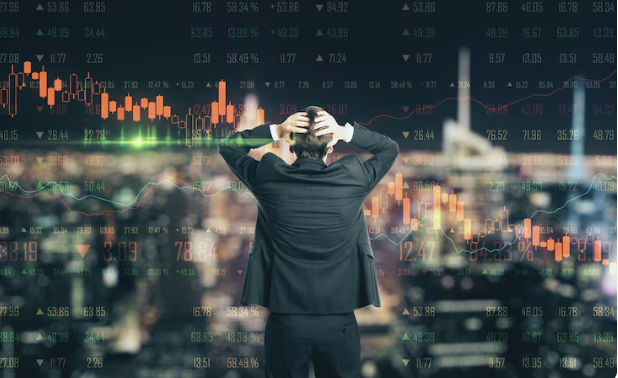
A type of risk that current regulatory frameworks are only partially able to handle has been introduced by algorithmic high-frequency trading, which is now powered by AI systems that can process and respond to market data at rates no human could match. Although the technical intricacies are complex, the overall mechanism of a flash crash is not. A significant block sale is carried out by a huge algorithm. The cost decreases. That price change is interpreted as a signal by other AI systems, which are not coordinated and were developed by different companies using different methodologies. These systems then start selling. Prices decrease with every sale. Algorithmic selling increases with each drop in price.
The cascade quickens and the feedback loop tightens in milliseconds rather than minutes before any human observing a terminal completely realizes that something is amiss. The 2010 Flash Crash, in which the Dow dropped by almost 1,000 points in a matter of minutes before rising, provided regulators with the best opportunity to observe the speed at which the cycle can move. The SEC spent years analyzing it because it was so disconcerting, and that was before the current generation of AI-driven systems was widely used.
The aspect of this that merits greater public attention is the liquidity vacuum issue. AI-driven market makers continuously give buy and sell quotes during normal market conditions, giving the market stability and depth. However, those same systems have built-in volatility tolerances—thresholds that, in order to protect themselves, cause them to completely exit the market.
The mechanisms that supply liquidity vanish during a fast-moving crisis, just when it’s most important. The purchasers disappear. Because there is nothing to stop them, prices decline more quickly. Because every firm’s algorithm is performing the same logical calculation at the same time, it’s a sophisticated risk-management choice at the individual firm level that turns into a systemic issue overall.
The SEC and NYSE have developed defenses. When prices move too quickly or too far, the Limit-Up/Limit-Down mechanism stops trading in individual stocks, so stopping the cascade before it can fully develop. When larger indexes fall sufficiently, market-wide circuit breakers initiate 15-minute halts, buying time for human judgment to return.
Regulators keep a close eye out for spoofing, which is the act of placing and canceling big orders in order to generate fake price signals that fool rival algorithms into responding. These metrics are useful. Additionally, they can only activate once a crash has already started because they are reactive rather than preventive by design.
As AI-driven trading systems continue to spread throughout international markets, there’s a sense that the infrastructure guarding against catastrophic failure is lagging behind the systems it’s attempting to regulate. It’s still unknown if time or probability will determine the next significant automated flash crash. Thus far, the defenses have been effective. However, the systems engaging with one another lack a common understanding of what they are all working toward, and each new generation of algorithms gets faster, more opaque, and more difficult to anticipate in combination.
